
 By Car instaplayzone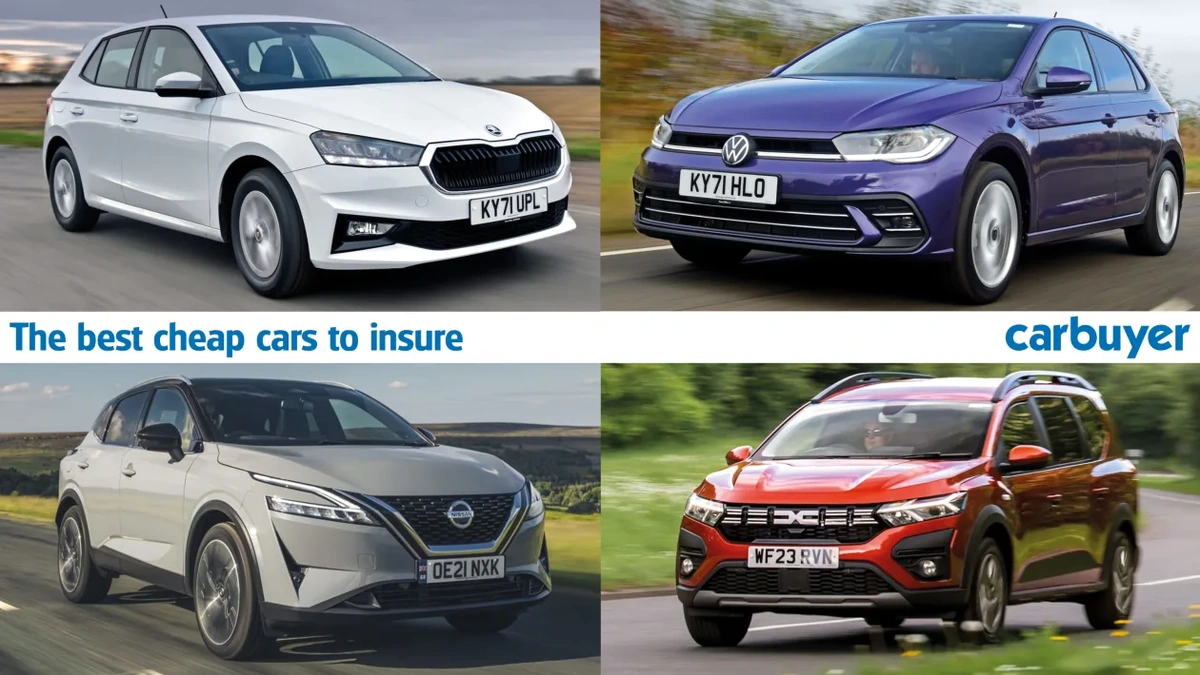
Alright, let’s be honest. Buying a car in the UK can feel like stepping into a financial minefield, especially when you get to the insurance part. You find a sweet little motor, all gleaming and ready for the road, and then the insurance quote drops like a lead balloon, making your heart sink faster than a leaky boat. It’s a common story, isn’t it? But what if I told you there’s a secret handshake, a way to navigate this maze and find genuinely cheap hatchback cars UK low insurance group ? It’s not just about finding a cheap car; it’s about understanding the ‘why’ behind those seemingly random insurance costs. And trust me, once you get it, you’ll be driving away with a smile, not a grimace.
For years, I’ve watched friends and family grapple with this. New drivers, seasoned commuters, even those just looking for a second family car – everyone wants to shave a few quid off their premiums. The good news? There are specific vehicles, often overlooked, that are practically designed to be kind to your wallet. We’re talking about those unassuming heroes of the road, the hatchbacks that don’t scream ‘fast and furious’ but whisper ‘sensible and affordable’. Let’s dive deep into the mechanics of it, shall we?
Demystifying the Insurance Group Riddle | Why It Matters More Than You Think
Here’s the thing about car insurance in the UK: it’s not just a random number plucked from the air. It’s a complex calculation, heavily influenced by something called an ‘insurance group’. Cars in the UK are categorised into one of 50 insurance groups, with Group 1 being the cheapest to insure and Group 50 being the most expensive. This system, overseen by Thatcham Research, takes into account a host of factors:
- Performance: Lower power means lower risk of high-speed accidents. Simple, right?
- Security: Good alarm systems, immobilisers, and locking mechanisms deter thieves.
- Repair Costs: How expensive are the parts? How long does it take to fix common damage? Cars with readily available, cheaper parts often fall into lower groups.
- Safety: Modern safety features that protect occupants and reduce injury severity.
Understanding this is your first step to tackling high car insurance costs UK . A car in Group 1 or 2 isn’t just a number; it’s a statement that the vehicle is, statistically, less of a risk for insurers. This is crucial knowledge, especially if you’re a new driver or looking for your first car low insurance options. It’s the hidden context that often gets missed amidst the excitement of car shopping.
I initially thought this was straightforward, but then I realized the nuances. It’s not just about the car’s price tag; it’s about its inherent risk profile. And that, my friends, is where the magic happens for those seeking genuinely affordable motoring.
The Low-Premium Lineup | Best Cheap Hatchbacks for UK Drivers
So, which specific hatchbacks are we talking about? Which ones consistently land in those coveted low insurance groups? Well, let me introduce you to some genuine unsung heroes. These are often considered the best small cars UK has to offer for those on a budget, and for very good reason.
The Volkswagen Up!, Skoda Citigo, and SEAT Mii are often referred to as triplets, and for good reason – they share many components under the skin. These city cars are consistently found in insurance groups 1-4, making them fantastic choices. They’re compact, surprisingly spacious for their size, and incredibly economical to run. Their 1.0-litre engines are peppy enough for urban life but won’t be breaking any speed records, which works in your favour for insurance premiums.
Then there’s the Kia Picanto and Hyundai i10. These Korean cousins offer incredible value, often coming with generous warranties when new, and hold their value well as used hatchbacks cheap insurance options. They’re reliable, well-equipped even in base trims, and typically sit in groups 1-5. I’ve seen countless drivers rave about their practicality and surprisingly comfortable rides.
Don’t forget the Dacia Sandero. Often lauded as one of the UK’s cheapest new cars, it also boasts incredibly low insurance groups, often starting from group 2. While it might not have the premium feel of some rivals, it offers unbeatable value and practicality. It’s a no-frills, get-the-job-done kind of car, and its simplicity is its strength when it comes to insurance.
When considering these models, especially if you’re navigating the urban jungle, the inherent advantages of ahatchback vs. sedan for city drivingbecome incredibly clear. Their compact size, excellent visibility, and ease of parking are just bonuses that complement their low insurance credentials.
Beyond the Car | Personal Factors That Slash Your Premiums
While choosing a car in a low insurance group is paramount, it’s only one piece of the puzzle. Your personal circumstances play a massive role in the final premium you’ll pay. Insurers look at you, the driver, as much as they look at the car. Let me rephrase that for clarity: you are a walking, talking risk assessment!
- Your Age & Experience: Younger, less experienced drivers, unfortunately, face higher premiums. This is just statistical reality. However, choosing an affordable car for new drivers in a low insurance group can significantly mitigate this.
- Your Postcode: Living in an area with high crime rates or accident statistics will push your premium up.
- Annual Mileage: The less you drive, the less risk you pose. Be honest, but realistic.
- No-Claims Bonus (NCB): Building up years of claim-free driving is, hands down, the best way to reduce your premiums over time.
- Security: Garaging your car overnight, adding extra security features like a tracking device, or even just parking in a well-lit area can make a difference.
- Telematics (‘Black Box’) Insurance: For new or high-risk drivers, a black box can monitor your driving habits and reward safe driving with lower premiums. It’s not for everyone, but it can be a game-changer.
It’s important to remember that these factors are dynamic. Your premium isn’t set in stone for life. As you gain experience, build an NCB, and perhaps even move house, your rates will change. Staying informed about howThatcham Researchinfluences these groups is also a smart move, as ratings can occasionally be updated for new models.
The Hidden Truth About Running Costs | It’s Not Just Insurance
When we talk about cheap hatchback cars UK low insurance group , it’s easy to get tunnel vision and only focus on the premium. But the savvy car owner knows that the true cost of motoring extends far beyond that annual payment. We need to think about the complete picture of running costs UK drivers face.
Consider fuel efficiency, for instance. Most of the hatchbacks we’ve discussed boast impressive MPG figures, thanks to their smaller, more efficient engines. This means fewer trips to the petrol station, which adds up to significant savings over a year. Then there’s road tax. Many of these low-emission small cars qualify for very low, or even zero, road tax. It’s a small saving, but every penny counts, right? You can check specific vehicle tax rates on theGov.uk website.
Maintenance is another often-overlooked cost. Cars in lower insurance groups typically have cheaper parts and are simpler to service, leading to lower garage bills. This is a huge, often underestimated, benefit. While you might not be hauling goods for acargo van business, your everyday commute still demands smart choices to keep your personal budget healthy.
Your Smart Buyer’s Playbook | Navigating the Market
So, you’re armed with knowledge about insurance groups, specific models, and personal factors. Now, how do you put this into practice when you’re actually buying?
- Get Insurance Quotes FIRST: This is my number one piece of advice. Before you fall in love with a car, get a realistic insurance quote for it. Use comparison sites, but also check directly with insurers.
- Consider the Used Market: While new cars are shiny, the used market offers fantastic value, especially for these smaller hatchbacks. A 3-5 year old model will have depreciated significantly but still have plenty of life left.
- Check Service History: A well-maintained car is a reliable car, which means fewer unexpected repair bills.
- Test Drive Thoroughly: Make sure the car feels right for you. Comfort, visibility, and handling are all important.
- Don’t Be Afraid to Haggle: Especially on the used market, there’s always a little wiggle room on price.
Finding the perfect low-cost, low-insurance hatchback requires a bit of patience and research, but the payoff is immense. It’s about making an informed decision that saves you money not just upfront, but for every year you own the car.
Wrapping It Up | Drive Smarter, Not Harder
Ultimately, navigating the world of UK car insurance doesn’t have to be a headache. By understanding the ‘why’ behind insurance groups, identifying the specific cheap hatchback cars UK low insurance group models that excel in this area, and being smart about your personal driving habits, you can significantly reduce your motoring expenses. It’s about empowering yourself with knowledge and making choices that genuinely benefit your wallet. So, go forth, find that perfect little hatchback, and enjoy the open road without the constant worry of sky-high premiums. Happy driving!
Frequently Asked Questions
What exactly is an insurance group rating?
An insurance group rating is a number from 1 to 50 assigned to every car model in the UK. Group 1 cars are the cheapest to insure, while Group 50 cars are the most expensive. This rating considers factors like performance, safety features, security, and the cost of parts and repairs.
Are older cars always cheaper to insure?
Not necessarily. While older cars generally have lower market values, which can reduce the cost of claims, other factors like their security features (or lack thereof), parts availability for classic models, and specific engine sizes can sometimes push premiums up. However, for common hatchbacks, a slightly older model often offers a good balance of lower purchase price and reasonable insurance.
Can modifications affect my insurance group?
Yes, significantly. Any modification that alters a car’s performance, safety, or security (e.g., engine tuning, aftermarket spoilers, non-standard wheels) can push it into a higher insurance group or even invalidate your policy if not declared. Always inform your insurer of any changes.
What’s a ‘black box’ and should I get one?
A ‘black box’ (telematics device) is a small device installed in your car that monitors your driving habits, such as speed, braking, acceleration, and mileage. Insurers use this data to calculate your premium, often offering discounts for safe drivers. It’s a great option for new or young drivers looking to reduce high premiums, but requires disciplined driving.
How can I check a car’s insurance group before buying?
You can usually find a car’s insurance group on vehicle specification websites or by using online tools from insurers or motoring organisations. You’ll typically need the car’s registration number or make, model, and year. It’s always wise to get a full insurance quote before committing to a purchase.