
 By Car instaplayzone
Let’s be honest, the dream of owning a high-performance sports car often feels like it belongs exclusively to those with bottomless pockets. You see the gleaming supercars on Instagram, hear the roar of engines on track days, and think, “Someday.” But what if I told you that “someday” could be now, and you don’t need to mortgage your future for it? That’s right, finding the best sports cars under 50000 USA performance isn’t just a fantasy; it’s an achievable reality if you know where to look and what to prioritize.
Here’s the thing: the market for affordable performance cars is brimming with incredible options, especially in the used sector. It’s a sweet spot where depreciation has done its magic, placing truly exhilarating machines within reach of the everyday enthusiast. My goal today? To guide you, step-by-step, through the thrilling jungle of theused sports car market, ensuring you pick a winner that delivers pure driving joy without the financial headache. We’re not just looking for a car; we’re hunting for an experience.
Why $50,000 is the Sweet Spot for Performance Enthusiasts
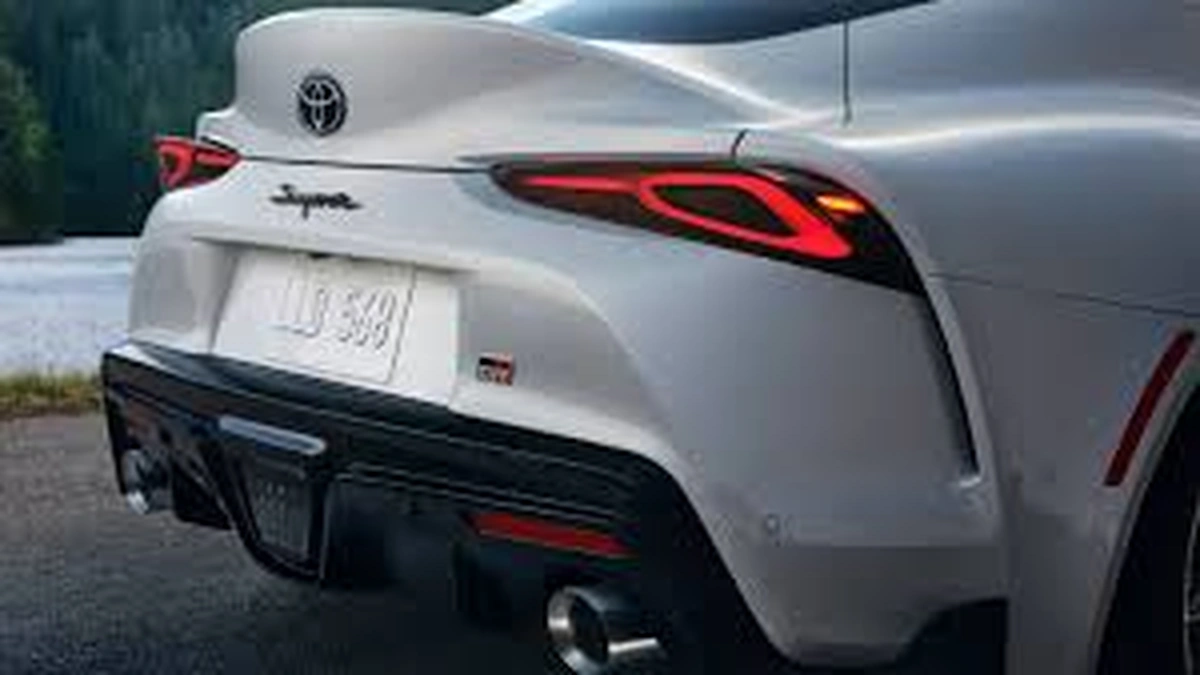
You might wonder, why precisely $50,000? It’s a fantastic question, and one I’ve pondered extensively. This price point, especially in the budget sports car USA landscape, offers a unique blend of accessibility and serious capability. Below this, you start making significant compromises on either performance, reliability, or modern features. Above it, well, you’re entering a different league altogether, where the returns on investment for pure driving thrills diminish for every extra dollar spent. Think about it: a brand-new, entry-level sports car might push past $30k-$40k, often leaving you wanting more power or better handling. But dip into the pre-owned pool with $50k? That’s where the magic truly happens.
What fascinates me is how quickly some truly exceptional vehicles depreciate, making them incredible bargains for savvy buyers. Manufacturers pour millions into engineering these machines for peak driving experience , and that engineering doesn’t just vanish when the first owner drives off the lot. It means you can often get a car that was once $70k-$80k for half that, retaining 90% of its original performance prowess. This isn’t just about saving money; it’s about maximizing your performance per dollar, a metric every true enthusiast understands.
Decoding Performance | What to Look for Beyond Horsepower
Alright, let’s talk brass tacks. When searching for performance cars USA , it’s tempting to get fixated on horsepower figures alone. And while a strong engine is undoubtedly important, it’s far from the only factor determining a car’s true performance. In fact, sometimes it’s not even the most important. I’ve seen too many people buy a car with big numbers only to be disappointed by its actual driving dynamics .
Here’s what truly matters when evaluating performance car features :
- Weight Distribution and Handling: How balanced is the car? A well-balanced chassis, often achieved with a front-mid or mid-engine layout, makes a car feel nimble and predictable. It’s what allows you to confidently push through corners.
- Suspension Setup: Is it too soft, too harsh, or just right? Adjustable suspensions are a bonus, but a well-tuned fixed suspension can be sublime. Look for independent suspension all around.
- Braking System: Big power needs big stopping power. Look for large rotors, multi-piston calipers, and good pedal feel. This is crucial for both safety and spirited driving.
- Steering Feedback: Does the steering wheel communicate what the front wheels are doing? Hydraulic steering often provides better feel than electric power steering, though modern EPS systems are catching up.
- Transmission: Manuals offer ultimate engagement, but modern dual-clutch transmissions (DCTs) are incredibly fast and efficient. Even a good traditional automatic can be fun, but ensure it has paddle shifters and quick shifts.
- Chassis Rigidity: A stiff chassis means the suspension can do its job more effectively, leading to better handling and less body roll.
- Horsepower-to-Weight Ratio: This is arguably more important than raw horsepower. A lighter car with moderate power can often outperform a heavier car with significantly more horsepower. It’s why cars like the Mazda Miata, despite modest power, are legendary for their track-ready cars capability and engagement.
And speaking of different car styles, it’s worth considering the fundamental differences between acoupe vs sedanwhen you’re prioritizing performance. Coupes often offer a stiffer, more focused driving experience due to their two-door structure, which typically boasts greater rigidity. Sedans, while sometimes powerful, usually carry more weight and might prioritize passenger comfort over absolute agility.
Top Contenders | Our Picks for the Best Budget Sports Car USA
Okay, enough theory. Let’s get to the fun part: actual cars! Based on extensive research and personal experience, these are some of the most compelling best budget sports cars you can find under $50,000 in the USA, offering incredible value for money sports cars and genuine performance thrills.
- Ford Mustang GT (S550 Generation, 2015-2017+): With its glorious 5.0L Coyote V8, the Mustang GT offers an intoxicating blend of American muscle and surprisingly sophisticated handling (thanks to independent rear suspension). You can find well-maintained examples of this generation for well under $50k, often with performance packs. It’s a proper enthusiast car, and the sound alone is worth the price of admission.
- Chevrolet Camaro SS (Sixth Generation, 2016-2018+): A direct rival to the Mustang, the Camaro SS (with its LT1 V8) often surprises people with its razor-sharp handling, especially the 1LE package. It feels more like a European sports car than a traditional muscle car. Visibility might be a compromise, but the driving rewards are immense.
- Porsche Cayman/Boxster (987.2 or early 981 Generation): If you crave precision and unparalleled mid-engine balance, a used Porsche Cayman or Boxster is an absolute steal. While you might be looking at slightly older models (e.g., a 2009-2012 987.2 or an early 981 from 2013-2014), the driving purity is unmatched. These cars are built for twisty roads and offer sublime steering. Just be prepared for potentially higher maintenance costs.
- Nissan 370Z (2010-2015+): A raw, visceral Japanese sports car. The 370Z offers a powerful V6, excellent braking, and a connected feel to the road. It’s not as refined as some rivals, but it’s incredibly engaging and a fantastic platform for modifications if that’s your thing. You can find some excellent sports car deals on these.
- Corvette C6 (2005-2013): The C6 Corvette, particularly the Grand Sport or Z06 (though a Z06 might push the upper limits of the budget), offers supercar-level performance for a fraction of the price. Its LS V8 engine is legendary for reliability and power, and the car’s relatively light weight makes it incredibly fast. It’s a true American icon that delivers immense bang for your buck.
The Smart Buyer’s Checklist | Navigating the Used Market
So, you’ve got your eye on a few used performance vehicles . Fantastic! But before you pull the trigger, a smart buyer’s checklist is absolutely critical. This isn’t like buying a new appliance; these are complex machines that have had a previous life. Trust me, a little diligence now can save you a lot of heartache (and cash) later.
- Pre-Purchase Inspection (PPI): This is non-negotiable. Take the car to an independent mechanic specializing in performance vehicles or the specific brand. They’ll uncover issues you’d never spot, from worn suspension components to potential engine leaks. This is your insurance policy.
- Service Records are Gold: A car with a complete service history is worth its weight in gold. It tells you the previous owner cared for the car and followed maintenance schedules. Absence of records can be a huge red flag.
- Check for Accident History: Always run a CarFax or AutoCheck report. Look for accident damage, flood damage, or salvage titles. Even minor accidents can lead to alignment issues or long-term problems.
- Tires and Brakes: These are wear items, but if they’re severely worn, it’s an immediate expense. Use it as a negotiation point. High-performance tires aren’t cheap.
- Common Issues for Specific Models: Research known problems for the exact year and model you’re considering. For instance, some Porsche Boxsters had IMS bearing issues (though often addressed by now), or certain Mustang generations had transmission quirks. Knowledge is power here.
- Consider Long-Term Costs: Performance cars often mean higher insurance, more expensive tires, and potentially pricier maintenance, especially for European marques. Factor these into your overall budget. While you might not be looking for a 7-seater van for large families, the financial commitment is still substantial and different from a daily commuter.
- Depreciation Considerations: While you’re buying after the steepest curve, some models hold their value better than others. Researching future depreciation considerations can help you make a smarter long-term investment.
Remember, this isn’t just a transaction; it’s the start of a relationship with a machine designed to thrill. Taking the time to do your homework ensures that relationship starts on the right foot.
FAQs | Your Burning Questions About Affordable Performance Cars
What’s the most reliable sports car under $50,000?
While reliability can vary by individual car, Japanese options like the Nissan 370Z or a well-maintained Mazda Miata (if you’re okay with less power) generally have a strong reputation for dependability. American V8s like the Ford Coyote and Chevy LS engines are also known for their robustness, though ancillary components might need attention.
Are these cars expensive to maintain?
It depends heavily on the make and model. Generally, performance cars will have higher maintenance costs than economy cars due to specialized parts, higher-grade fluids, and potentially more complex systems. European brands like Porsche typically have higher parts and labor costs than domestic or Japanese alternatives. Always factor in a maintenance buffer in your budget.
Can I use these cars as a daily driver?
Many performance cars, especially modern ones, can absolutely serve as daily drivers. Mustang GTs, Camaro SS models, and even some older Corvettes offer reasonable comfort and practicality. However, you might find fuel economy to be a concern, and a stiffer ride might not be ideal for all commutes. Consider your personal tolerance for compromise.
What should I look for during a test drive?
During a test drive, pay close attention to engine sounds (any unusual noises?), transmission shifts (smooth or clunky?), brake feel (firm or spongy?), and steering response (loose or precise?). Listen for rattles or squeaks, test all electronics, and ensure the car tracks straight. Don’t be afraid to try varying speeds and road conditions.
Is it better to buy a slightly older, higher-trim model or a newer, base model?
This is where personal preference comes in, but for pure performance, I often lean towards a slightly older, higher-trim model (e.g., a well-equipped Mustang GT from 2016 versus a brand-new base EcoBoost). The higher trims usually come with better suspension, brakes, and more powerful engines, offering a significantly enhanced driving experience for similar money.
So, there you have it. The world of high-octane sports cars under 50000 isn’t just for the privileged few; it’s a playground waiting for the informed enthusiast. By understanding what truly defines performance, knowing which models offer the best value, and meticulously inspecting your potential purchase, you can absolutely find that exhilarating machine that puts a grin on your face every time you turn the key. It’s not about spending the most; it’s about spending smart and driving passionately. Happy hunting, and may your roads be twisty!