
 By Car instaplayzone
Alright, let’s talk shop. If you’re running adelivery businessin the USA, you know your fleet isn’t just a collection of vehicles; it’s the very heartbeat of your operation. And as we barrel towards 2026, the landscape for cargo vans is shifting faster than a last-minute package re-route. So, the question isn’t just ‘Which van is good?’ It’s ‘Which van is future-proof? Which one genuinely gives you an edge in a fiercely competitive market?’
Here’s the thing: picking the best cargo van for delivery business USA 2026 isn’t about finding the flashiest model or the cheapest sticker price. Oh no, my friend. It’s about a deep dive into what truly matters: total cost of ownership (TCO), reliability, evolving technology, and – crucially – the well-being of your drivers. I’ve seen countless businesses make decisions based on short-term gains, only to be hit with unexpected maintenance costs or, worse, a fleet that can’t keep up with modern demands. Let me guide you through the maze, because what works today might be obsolete tomorrow.
The Shifting Sands | Why 2026 Demands a New Look at Your Fleet
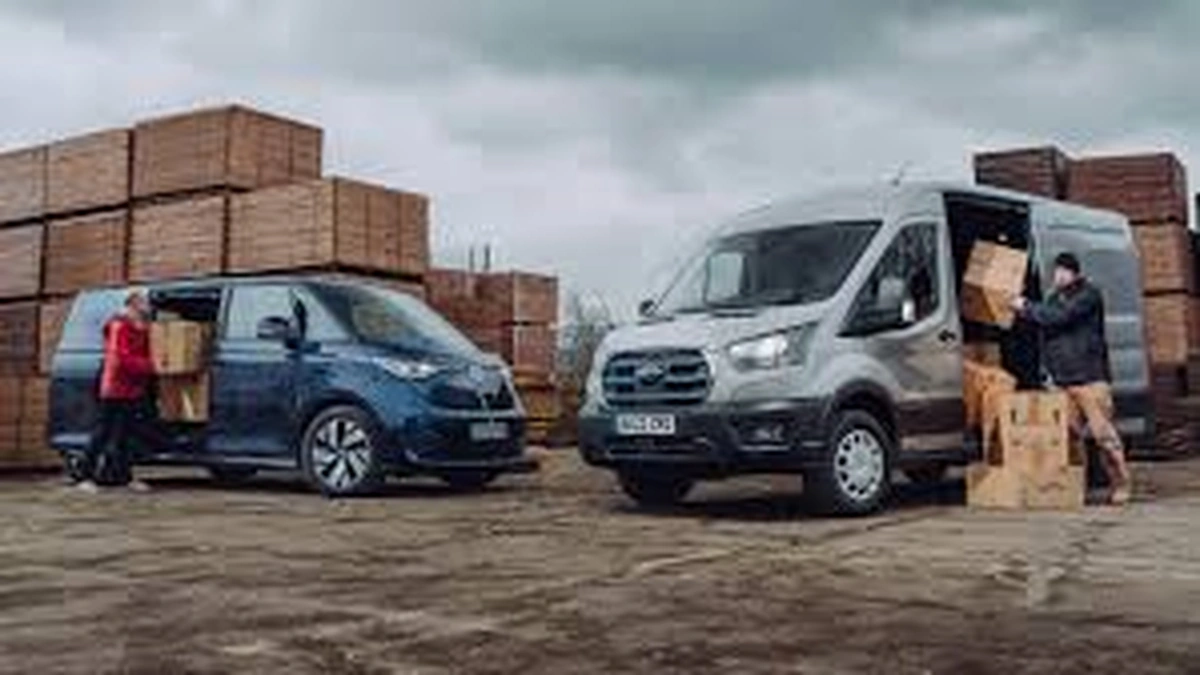
We’re not just buying vehicles anymore; we’re investing in last-mile delivery solutions. The world of logistics is demanding more efficiency, sustainability, and flexibility than ever before. Think about it: e-commerce isn’t slowing down, urban delivery zones are getting tighter, and customer expectations for speed and transparency are sky-high. This isn’t just about moving boxes; it’s about optimizing every single mile.
What fascinates me is how quickly electric cargo vans are moving from niche experiments to mainstream contenders. Five years ago, they were a curiosity. By 2026, they’ll be a serious, unavoidable part of the conversation for any forward-thinking delivery business. Why? Because regulations are tightening, fuel prices are volatile, and consumers (and increasingly, your corporate clients) are demanding greener operations. Ignoring this trend isn’t an option; it’s a strategic misstep.
But it’s not just about electrification. It’s also about telematics, driver-assist technologies, and modular upfitting options that allow your van to adapt as your business evolves. A common mistake I see people make is buying a van that’s ‘good enough’ for today, only to realize it can’t be easily modified for a new contract or service offering next year. That’s money left on the table, or worse, money lost.
Decoding the Metrics | Beyond Horsepower and Price Tag
When you’re evaluating commercial vehicles, you need to look beyond the brochure. Here are the core pillars for making an informed decision for 2026:
- Total Cost of Ownership (TCO): This is your North Star. It’s not just the purchase price, but fuel costs (or charging costs for electric vans), maintenance schedules, insurance, depreciation, and expected resale value. A van that’s cheaper upfront but guzzles fuel and requires constant repairs will bleed you dry. We’re talking about the long game here.
- Payload Capacity & Cargo Space: This seems obvious, right? But it’s more nuanced than just cubic feet. How easily can it be loaded and unloaded? What’s the maximum weight it can legally carry without compromising performance or safety? Future-proof your fleet by considering not just your current average package size, but potential growth or diversification into larger items.
- Fuel Efficiency (or Range for EVs): This is a direct hit to your bottom line. For gasoline vans, every MPG matters. For EVs, understanding real-world range, charging infrastructure availability, and charging times is paramount. Don’t just trust the manufacturer’s ideal figures; factor in real-world driving conditions, climate, and typical routes.
- Reliability & Durability: Downtime is a killer. Period. You need a cargo van that can take a beating, day in and day out, without constant trips to the shop. Research long-term reliability ratings, common issues, and the availability of parts and service in your area. This directly impacts your ability to deliver on time, every time.
- Driver Comfort & Safety: Happy drivers are productive drivers, and safe drivers are invaluable. Ergonomics, seat comfort, infotainment, and advanced driver-assistance systems (ADAS) are no longer luxuries. They’re essential for retaining staff and reducing accidents. Remember, this is their mobile office. For more on vehicle performance, you might find insights on entry-level sports cars interesting, even if it’s a different category, it highlights the importance of vehicle engineering.
Let me rephrase that for clarity: your van isn’t just a tool; it’s part of your employee retention strategy and your brand’s reputation for reliability. Investing in driver comfort and safety pays dividends you can’t always see on a balance sheet, but you’ll certainly feel them in reduced turnover and improved service quality.
Top Contenders for the Best Cargo Van for Delivery Business USA 2026
While 2026 is still a little ways off, we can project based on current trends, manufacturer commitments, and market demands. Here are some models and brands that are likely to lead the pack, offering excellent payload capacity and robust features for the modern delivery business:
Ford Transit & E-Transit | The Established Workhorses
Ford has dominated the full-size van market for a reason. The Transit offers an incredible array of configurations, engine options, and cargo space. But for 2026, the real star will be the E-Transit. Ford is aggressively expanding its charging infrastructure and fleet management tools, making the E-Transit a strong contender for businesses looking to electrify. Its proven platform means familiarity for mechanics and drivers, easing the transition.
Mercedes-Benz Sprinter & eSprinter | Premium & Adaptable
The Sprinter has always been synonymous with quality and versatility. Its high roof options and spacious interiors make it a favorite for specialized upfitting options. The upcoming eSprinter (with a new, larger battery for the US market) promises to bring that same premium feel and adaptability to the electric realm. While often a higher upfront cost, its reliability and strong resale value contribute positively to its total cost of ownership.
Ram ProMaster & ProMaster EV | Urban Agility
With its front-wheel-drive configuration, the ProMaster offers a lower load floor and excellent maneuverability, making it a dream for urban last-mile delivery solutions. The forthcoming ProMaster EV will build on this agility, offering a battery-electric option that’s perfectly suited for city routes where range anxiety is less of a concern and charging infrastructure is more accessible. Its boxy design maximizes usable cargo space.
Emerging Players & What to Watch For
Keep an eye on companies like Rivian with their commercial vans (though primarily for Amazon currently, their technology signals future possibilities) and other startups. Also, don’t forget the smaller, more compact vans for specific niches. The market is dynamic, and innovation in battery technology and autonomous features could bring new players to the forefront, especially for optimizing fuel economy and efficiency. For context on the broader commercial vehicle market, you might find it useful to consult resources likeWikipedia’s Commercial Vehicle page.
The Strategic Play | Integrating Technology and Driver Well-being
Choosing the right van is just the first step. For 2026, your strategic advantage will come from how you integrate that van into a larger ecosystem. This means:
- Telematics & Route Optimization: This isn’t optional anymore. Real-time tracking, optimized routing, and driver behavior monitoring are crucial for maximizing fuel efficiency and minimizing wear and tear.
- Charging Infrastructure (for EVs): If you go electric, plan your charging strategy meticulously. Do you need depot charging, public charging, or a mix? This impacts your operational flow significantly.
- Driver Training: New vans, especially EVs, often have different driving dynamics. Investing in training ensures your drivers maximize efficiency and safety, improving overall driver satisfaction.
I initially thought this was straightforward, but then I realized the human element is often overlooked. A van might be technically superior, but if your drivers hate driving it, or if it causes undue stress, you’re losing money in other ways. Prioritize ergonomics and ease of use.
Frequently Asked Questions About Choosing a Delivery Van for 2026
FAQs
What’s the most important factor when choosing a cargo van for 2026?
While many factors are crucial, focusing on the total cost of ownership (TCO) is paramount. It considers not just the purchase price but also fuel, maintenance, insurance, and resale value over the van’s lifespan. This gives you the most accurate financial picture.
Should I seriously consider electric cargo vans for my business by 2026?
Absolutely. Electric cargo vans are rapidly becoming competitive, especially for urban last-mile delivery solutions. They offer lower operating costs, reduced emissions, and government incentives. Evaluate your typical routes and charging infrastructure to see if an EV fits your operational needs.
How much payload capacity do I really need?
Your required payload capacity depends on the typical weight and volume of the goods you deliver. Always factor in potential business growth or diversification. It’s better to have a little more capacity than you think you need, rather than constantly overloading your vans or having to make multiple trips.
What are ‘upfitting options’ and why are they important?
Upfitting options refer to the customization of a van’s interior and exterior with shelving, racks, bulkheads, specialized lighting, or external accessories. They’re vital because they allow you to tailor the van precisely to your specific delivery needs, improving organization, efficiency, and safety for your drivers and cargo.
How can I ensure good driver comfort and safety in my new fleet?
Prioritize vans with ergonomic seating, good visibility, user-friendly infotainment systems, and advanced driver-assistance systems (ADAS) like blind-spot monitoring or automatic emergency braking. These features significantly enhance driver comfort and reduce fatigue, leading to safer operations and higher driver satisfaction.
What impact does fuel efficiency have on my business’s profitability?
Fuel efficiency directly impacts your operational costs. Even small improvements in miles per gallon for gasoline vans, or better range and charging efficiency for EVs, can lead to significant savings over the life of your fleet. It’s a key component of a favorable total cost of ownership.
The Road Ahead | Making Your 2026 Decision
So, as you gear up for 2026, remember that the best cargo van for delivery business USA isn’t a static target. It’s a moving one, influenced by technology, economics, and evolving expectations. Do your homework, crunch those TCO numbers, and don’t shy away from the electric revolution. The businesses that thrive will be the ones that see their fleet not just as a cost center, but as a strategic asset, ready to adapt and excel. Your choice today will define your capabilities tomorrow, so choose wisely, my friend.