
 By Car instaplayzone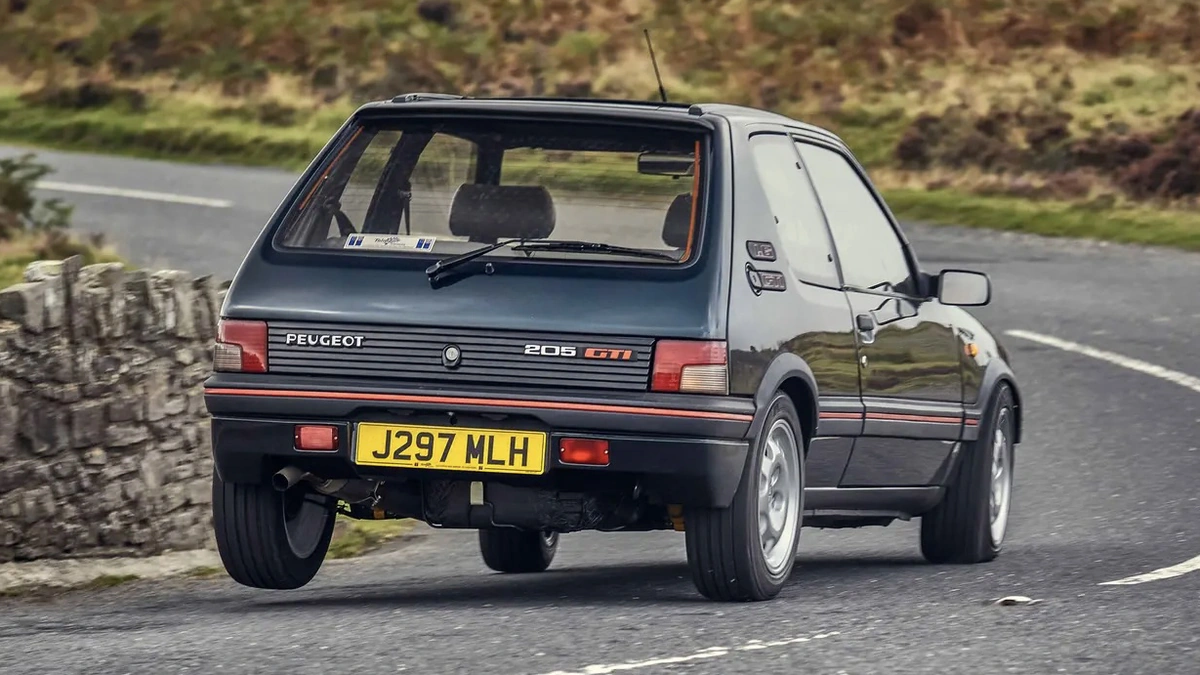
Alright, let’s talk hatchbacks. For many of us in India, the term brings to mind our beloved Maruti Swift or i20 practical, nimble, and perfect for our bustling cities. But take a hop across continents to Europe, and the hatchback isn’t just a car; it’s a way of life, a cultural icon, and frankly, a masterclass in automotive engineering. And here’s the thing: understanding the best hatchback cars in Europe isn’t just about listing models; it’s about dissecting why they dominate, why Europeans love them so fiercely, and what lessons we can glean from their success. It’s a deeper dive, if you will, into the heart of the Europeancompact car segment.
I initially thought this was a straightforward listicle, but then I realized the true value lies in the ‘why.’ Why does Europe, a continent synonymous with high-performance luxury and iconic brands, still clutch so tightly to the humble hatchback? What’s the hidden context behind its unwavering popularity? It’s fascinating, really. This isn’t just about fuel efficiency or parking ease; it’s about design philosophy, urban mobility solutions, and a certain unspoken expectation of driving dynamics. Let’s unwrap this, shall we?
The Unsung Heroes | Why Hatchbacks Are Europe’s Automotive Backbone
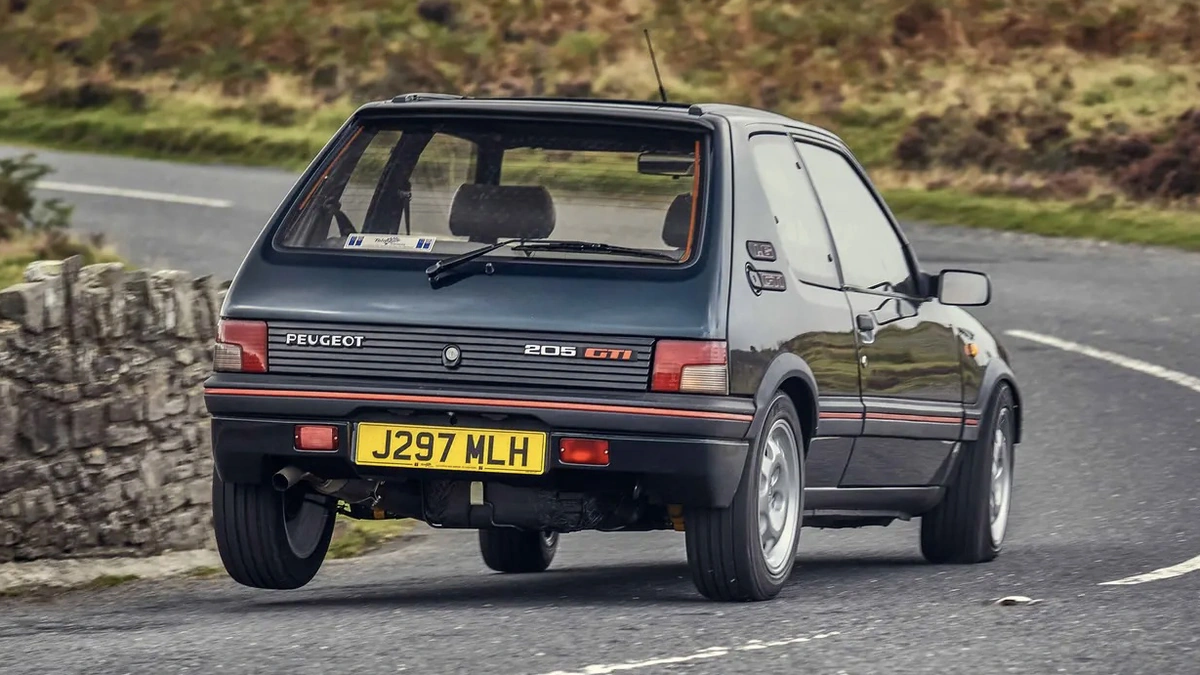
To truly grasp the essence of Europe’s love affair with hatchbacks, we need to look beyond the obvious. Yes, parking is tighter, and fuel prices are generally higher than what we see in many other parts of the world. But those are just surface reasons. The real ‘why’ is embedded in the very fabric of European urban planning and lifestyle. Imagine narrow cobbled streets, centuries-old city centers, and a driving culture that values precision, handling, and spatial efficiency. A bulky SUV just doesn’t make sense for daily commutes in Florence or navigating the side streets of Paris.
This is where the hatchback shines. It’s the ultimate chameleon: compact enough for city living, yet surprisingly spacious and versatile for weekend trips. The design isn’t just aesthetic; it’s a functional marvel. The short rear overhang, the accessible boot via a large rear door – it’s all meticulously crafted for practicality. And European drivers? They expect a certain level of engineering prowess, regardless of a car’s size. We’re talking about vehicles that often punch above their weight in terms of ride quality, safety features, and driver engagement. This blend of practicality, panache, and performance is precisely why the European compact car market is so fiercely contested and constantly innovating. They aren’t just cars; they’re integral to theautomotive tapestry of the continent.
What also fascinates me is the evolution. From utilitarian vehicles, hatchbacks have morphed into sophisticated machines, often sporting advanced tech, premium interiors, and genuinely engaging driving dynamics. This isn’t just about getting from A to B; it’s about enjoying the journey, even if it’s just a quick run to the local patisserie.
Key Players & Their Unique Charms | Dissecting the Dominance

Now, let’s talk specific models. Because when you say “best,” you’re inherently talking about specific examples that exemplify these European ideals. These aren’t just names; they are benchmarks in their respective niches, often influencing global design and engineering standards.
Volkswagen Golf | The Quintessential European Hatchback
You can’t talk about European hatchbacks without bowing down to the Golf. It’s more than just a car; it’s a segment definer. For decades, the Golf has consistently delivered a package of understated design, impeccable build quality, and a driving experience that’s both refined and engaging. It’s the benchmark against which almost all others are judged. Why is it so good? It’s the balance. It’s never the most exciting, nor the most luxurious, but it’s always just right. Its reliability is legendary, its interior ergonomics are textbook, and it simply works. This consistent excellence across generations has cemented its place as a perennial favorite and a symbol of reliable German engineering.
Ford Focus | The Driver’s Choice
If the Golf is the sensible professor, the Ford Focus is the spirited athlete. Ford has always excelled in chassis tuning, and the Focus is a prime example. Its sharp steering, agile handling, and communicative chassis make it incredibly fun to drive, even with a modest engine. This driver appeal Europe holds dear is a huge part of its success. While not always matching the Golf’s interior polish, the Focus offers a dynamic edge that many enthusiasts crave. It’s proof that a practical family car can still put a smile on your face.
Renault Clio / Peugeot 208 | French Flair and Innovation
Ah, the French contenders! These cars bring a different flavor to the table: style, comfort, and a certain je ne sais quoi. The Renault Clio, especially in its newer generations, is a masterclass in exterior design, often looking more premium than its price tag suggests. Inside, the focus shifts to comfort and a soft ride, perfect for gliding over less-than-perfect city roads. The Peugeot 208, with its distinctive ‘i-Cockpit’ and striking aesthetics, is another example of bold design and a commitment to interior ambiance. Both showcase the vibrant hatchback design philosophy that sets them apart from their German counterparts, emphasizing emotional connection alongside practicality. They often lead the charge in adopting new tech and efficient powertrains, including impressive electric hatchback options.
Skoda Octavia / SEAT Leon | Value and Vigor from the VW Group
These two, part of the colossal Volkswagen Group, offer compelling alternatives. The Skoda Octavia, often blurring the lines between a hatchback and a sedan with its vast boot space, offers incredible value, robust build quality, and a pragmatic approach. It’s the smart choice for those needing maximum space without sacrificing driving manners. The SEAT Leon, on the other hand, injects a dose of Spanish passion into the Golf platform. It’s sportier, sharper-looking, and often appeals to a younger, more design-conscious audience. They both illustrate how diverse the top European hatchbacks segment can be, catering to different needs while sharing core engineering excellence.
The ‘Why’ for Us | What This Means for the Global Market (and India)
So, why should an Indian reader care about the best small cars Europe has to offer? Because Europe is often a trendsetter. What’s popular there today in terms of urban mobility solutions, powertrain efficiency, or safety standards often trickles down or influences vehicle development globally. The increasing focus on electric vehicles (EVs) in the hatchback segment, for example, is a strong indicator of where our own market might be headed. European manufacturers are pushing the boundaries of battery range, charging infrastructure, and compact EV design, offering crucial insights into the future of electric mobility.
Moreover, these cars demonstrate an incredible ability to balance stringent environmental regulations with consumer demand for performance and comfort. They are benchmarks for fuel-efficient hatchbacks and illustrate how automotive engineering can adapt to evolving societal and environmental pressures. We see elements of European design and engineering subtly influencing the cars we drive here, from infotainment systems to safety cages. Understanding their evolution helps us appreciate the depth of research and development that goes into every curve and component.
Let me rephrase that for clarity: these aren’t just cars; they’re laboratories for future automotive trends. From hybrid powertrains to advanced driver-assistance systems, many innovations are first perfected in these high-volume European models before becoming commonplace elsewhere. It’s a continuous cycle of innovation driven by intense competition within the European automotive trends landscape.
FAQs | Your Burning Questions About Europe’s Top Hatchbacks Answered
Frequently Asked Questions
What makes European hatchbacks different from those in other markets?
Generally, European hatchbacks emphasize superior driving dynamics, higher build quality, advanced safety features, and more sophisticated powertrains (including a strong focus on diesel and now electric options) compared to many other markets. They are designed to meet stringent emissions standards and often offer a more premium feel, even in entry-level models.
Are electric hatchbacks popular in Europe?
Absolutely! The popularity of electric hatchback options is rapidly growing across Europe, driven by government incentives, expanding charging infrastructure, and increasing consumer awareness about environmental impact. Models like the VW ID.3, Renault Zoe, and Peugeot e-208 are strong sellers, signaling a significant shift in the hatchback market share Europe.
Why are hatchbacks so important for European cities?
Hatchbacks are perfectly suited for European cities due to their compact size, making them easy to maneuver and park in often congested and ancient urban centers. Their versatility, allowing for easy loading of luggage or groceries, further enhances their appeal for urban dwellers who might not have space for multiple vehicles.
Do European hatchbacks offer good fuel economy?
Yes, fuel-efficient hatchbacks are a cornerstone of the European market. High fuel prices and a strong environmental consciousness mean manufacturers are constantly striving to improve efficiency, offering advanced petrol, diesel, and hybrid powertrains that deliver impressive mileage.
Can I import these European hatchbacks to India?
While technically possible, importing individual cars to India can be a complex and expensive process due to high import duties, homologation requirements, and service challenges. It’s often more practical to look at models available in the Indian market, many of which draw inspiration from these successful European designs and engineering principles.
What’s the future of hatchbacks in Europe?
The future of hatchbacks in Europe looks bright, albeit with a significant shift towards electrification. While SUVs are gaining ground, the core appeal of the compact, versatile, and dynamic hatchback remains strong, especially as manufacturers adapt them with advanced tech, sustainable materials, and fully electric powertrains. Expect them to remain a dominant force, just in an evolved form.
My Final Take | More Than Just a Car
So, there you have it. The best hatchback cars in Europe aren’t just about glossy brochures and horsepower figures. They are a reflection of a continent’s unique needs, a testament to engineering excellence, and a constant source of innovation. From the balanced brilliance of the Golf to the spirited fun of the Focus and the stylish flair of the Clio, these cars offer a masterclass in how to build something practical without sacrificing passion. They represent intelligent design, thoughtful engineering, and a deep understanding of what drivers truly value. For an Indian enthusiast, they serve as a fascinating case study, a peek into the global automotive psyche, and a reminder that sometimes, the most enduring success stories are built on smart, user-centric foundations. And frankly, that’s a lesson worth remembering, no matter where you drive.