
 By Car instaplayzone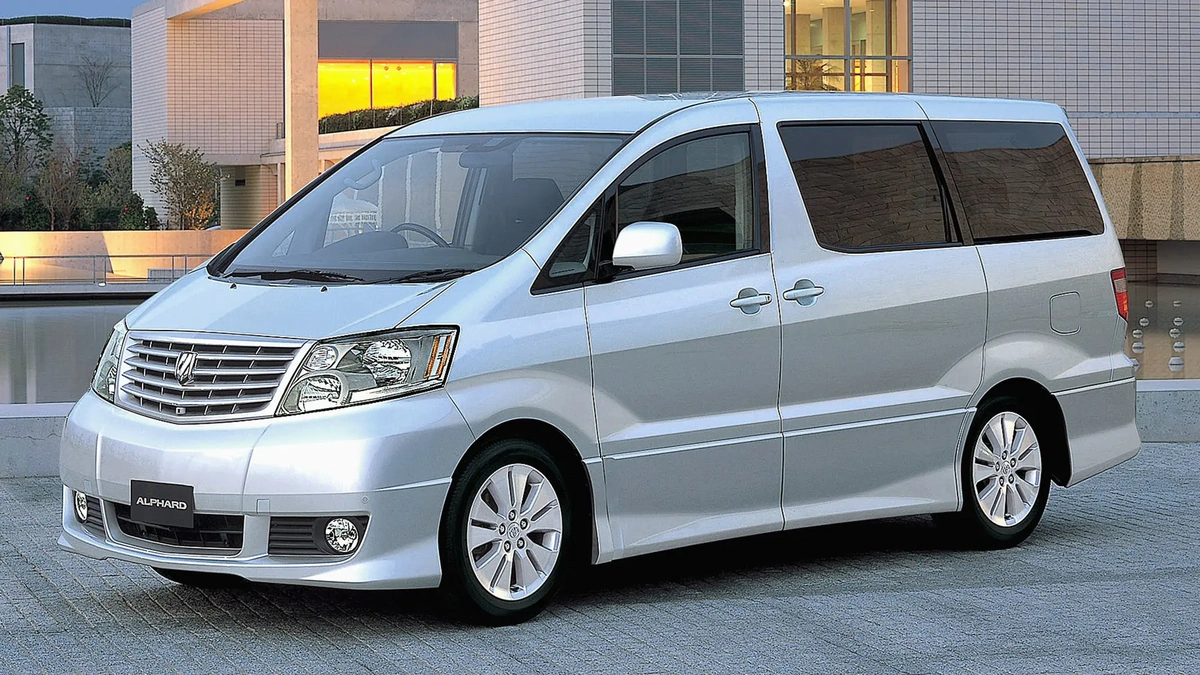
Alright, let’s talk about 7-seater vans . If you’re a parent in the UK with a growing brood, or maybe you’re just planning for one, you know this isn’t just about buying another car, right? This is about logistics, sanity, and the silent promise of not having to play Tetris with children and groceries every single time you leave the house. What fascinates me, and what I want to really dig into today, is why choosing the right family car UK is so much more profound than simply counting seats.
We’re not just looking for a vehicle; we’re searching for a mobile command centre, a safe haven, and a silent negotiator for peace on long journeys. The market is awash with options, from sleek MPVs to more utilitarian people carriers, and even some SUVs trying to elbow their way into the seven-seat club. But here’s the thing: not all spacious 7-seater vehicles are created equal, especially when you factor in the unique demands of large families UK life. Let’s peel back the layers and explore the deeper implications of this significant purchase.
Why a 7-Seater Van is More Than Just a Car for UK Families
Think about it. Your kids are getting bigger, their friends are joining in on adventures, and suddenly, the trusty five-seater feels like a sardine can on wheels. The need for a 7-seater van isn’t just about fitting everyone in; it’s about accommodating a lifestyle. It’s about the ability to ferry football teams, transport grandparents, or even manage that epic annual camping trip without needing a separate luggage van. This isn’t just a purchase; it’s an investment in your family’s freedom and comfort.
For large families UK , the school run alone can be a military operation. Add in after-school clubs, weekend activities, and the occasional road trip to see relatives, and the sheer volume of stuff – and people – quickly escalates. A well-chosen 7-seater van provides that crucial extra space, reducing arguments over personal boundaries (a parent’s dream, honestly!) and making every journey less stressful. It’s the difference between dreading a long drive and actually looking forward to the family singalongs. This is the practicality we’re really after.
Decoding the UK 7-Seater Market: What’s Really Under the Bonnet?
Navigating the world of seven-seaters can feel a bit like learning a new language. You’ve got your traditional MPVs (Multi-Purpose Vehicles), which are often purpose-built for passenger comfort and modularity. Then there are the large family cars that are SUVs with an optional third row. So, what’s the real difference, and why should you care?
MPVs, for instance, typically offer better third-row access and more flexible seating configurations. Think sliding doors – a godsend in tight car parks with excitable kids! Models like the Ford S-Max or the Volkswagen Touran have long been considered some of the best MPV UK options because of their thoughtful design. They prioritize passenger space and clever storage solutions, often at the expense of rugged off-road looks. On the other hand, a 7-seater SUV, like a Skoda Kodiaq or a Kia Sorento, might offer a higher driving position and a more robust aesthetic, but their third row can sometimes feel like an afterthought, better suited for occasional use by smaller passengers. It’s crucial to understand this distinction because it directly impacts your daily experience. You can explore a wide range of options, including various types of vans, by visiting this dedicated van category .
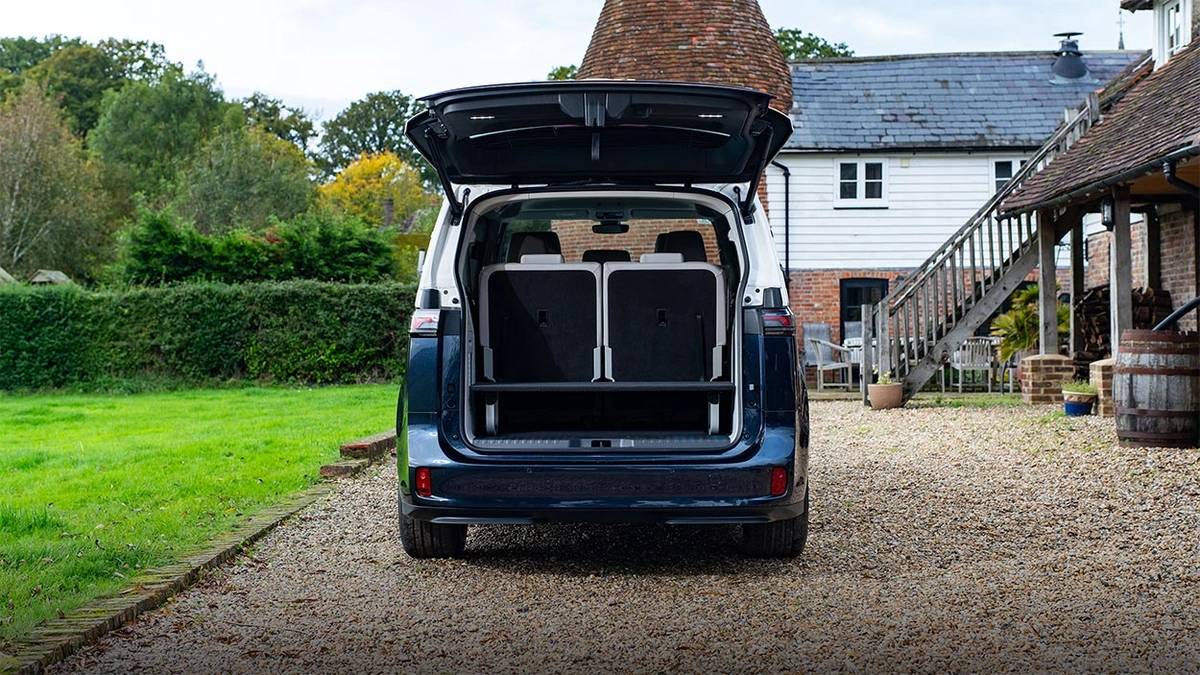
When you’re looking at a spacious 7-seater , don’t just glance at the capacity. Really dig into the third-row legroom, how easy it is to access, and perhaps most importantly, how much boot space is left when all seven seats are in use. Because let’s be honest, a 7-seater van that can’t fit a week’s worth of groceries or a couple of suitcases with all seats up isn’t really pulling its weight for a large family UK , is it? Test drives aren’t just for checking the engine; they’re for checking how your life fits inside. For comprehensive reviews and comparisons, I often recommend checking independent motoring sites like What Car? , which provide invaluable insights into real-world usage.
The Hidden Costs and Long-Term Value | A UK Family’s Perspective
Buying a 7-seater van is just the beginning. The ongoing running costs can significantly impact your family budget, and it’s an area where many first-time buyers get caught out. We’re talking fuel efficiency (those bigger engines can be thirsty!), insurance premiums (more seats often mean higher risk in the eyes of insurers), and maintenance. It’s not just the sticker price; it’s the lifetime cost of ownership that truly matters for large families UK .
Consider the reliability 7-seater models offer. A breakdown with five kids in tow on the M1 is not anyone’s idea of fun. This is where research into specific models and engine types pays dividends. Look at owner reviews, common faults, and the cost of parts. A robust service history is non-negotiable, especially if you’re exploring the second-hand 7-seater UK market. Speaking of which, always, and I mean always, check the MOT history online via Gov.uk . It’s a goldmine of information about a vehicle’s past health and a true indicator of its reliability .
Many families, myself included, often turn to the second-hand market for better value. You can get a lot more car for your money, but it requires diligence. Don’t be afraid to ask for full service records, check for accident damage, and ideally, get an independent inspection. Sometimes, the initial savings on a cheap deal can quickly evaporate with unexpected repair bills. This is where experience tells me that a slightly older, well-maintained model from a reputable manufacturer often beats a newer, cheaper option with a questionable past.
Safety First | Protecting Your Most Precious Cargo
This point, for me, is non-negotiable. When you’re transporting your entire family, safety features move from being ‘nice-to-haves’ to absolute ‘must-haves’. Look beyond the basics. While airbags are standard, consider the number and placement of curtain airbags, especially for third-row occupants. Does the vehicle have a high Euro NCAP rating? What about advanced driver-assistance systems (ADAS)? Things like autonomous emergency braking, lane-keeping assist, and blind-spot monitoring can be literal lifesavers, particularly on busy UK motorways.
Child seat compatibility is another big one. How many ISOFIX points are there, and crucially, where are they located? Can you fit three child seats across the middle row if needed? Or even two child seats and a booster? These aren’t abstract questions; these are the practical realities of parenting large families UK . Don’t just assume; take your child seats to the dealership and try installing them. A great family car ensures every passenger, from the tiniest tot to the tallest teen, is secure and comfortable.
Making the Smart Choice: Navigating the 7-Seater Journey
So, how do you make the ultimate decision? It boils down to a blend of practical needs, budget realities, and future-proofing. Think about your family’s growth trajectory. Are you planning more children? Will teenagers need more legroom soon? What kind of journeys will you primarily be making? A car that’s perfect for city driving might be a nightmare for long-distance motorway cruising, and vice-versa. Remember, this isn’t just a purchase; it’s a lifestyle upgrade. For a broader look at various vehicle types that might suit your needs, including other categories, feel free to browse our main car portal .
My advice? Don’t rush. Take your time, do your homework, and involve the family in the decision-making process where appropriate. Let the kids try out the third row. See if the boot can handle your specific pram or sports equipment. A well-considered choice now will save you countless headaches and perhaps even a few arguments down the line. It’s about finding that perfect blend of space, reliability , safety, and running costs that genuinely serves your unique family dynamic. Because in the end, a great 7-seater van isn’t just a mode of transport; it’s a foundation for countless family memories.
Your Burning Questions About 7-Seater Vans, Answered
Is a 7-seater van actually practical for daily UK city driving?
Honestly, it depends on the specific model and your city. Smaller MPVs like the Citroen Berlingo or the older Ford C-Max Grand can be surprisingly agile. However, larger models might feel cumbersome in tight streets and parking spaces. Always consider the vehicle’s turning circle and overall dimensions against your typical driving environment. Many people find the extra visibility a plus, though.
What’s the real difference between an MPV and a 7-seater SUV?
MPVs (Multi-Purpose Vehicles) are designed from the ground up to maximize passenger and cargo space, often featuring sliding doors and highly flexible seating. SUVs, even with seven seats, are typically built on a more rugged platform, prioritizing ground clearance and often a more commanding driving position, but their third row can be less spacious and harder to access.
How much boot space can I expect with all seven seats in use?
This is a critical question! With all seven seats up, many 7-seater vans or SUVs offer surprisingly little boot space – sometimes just enough for a few shopping bags or a couple of soft rucksacks. If you regularly need to transport seven people and luggage, you’ll likely need a roof box or a trailer. Always check the specific model’s figures and ideally, test it out with your own gear.
Are electric 7-seater vans a viable option in the UK yet?
Absolutely, the market for electric 7-seater vans (or e-MPVs/e-SUVs) is growing rapidly in the UK. Models like the Maxus MIFA 9, Mercedes EQB, or even the upcoming VW ID. Buzz are becoming increasingly popular. While they come with a higher upfront cost, the lower running costs (fuel, road tax) and environmental benefits can make them a very attractive option for large families UK , especially with government incentives and expanding charging infrastructure.
What should I look for when buying a second-hand 7-seater?
Beyond the usual checks (service history, accident damage, HPI check), pay close attention to the interior wear and tear – kids can be tough on upholstery! Check the functionality of all seats, especially the third row mechanism. Test all electrics, including sliding doors if present. And as mentioned, always check the MOT history online for a detailed insight into past advisories and failures.